The helpful answer
A house cleaner can handle ordinary dirt, dust, grime, soap scum, kitchen grease, pet hair, move-out residue, and lived-in mess. That's the normal world of residential cleaning.
Some situations need a specialist because they involve health risk, structural damage, pests, contamination, or regulated waste. This isn't about cleaners being unwilling to help. It's about matching the job to the right training, equipment, insurance, and safety plan.
If you're unsure whether something is normal cleaning or specialty cleanup, ask before booking. A few photos and a clear description can prevent a frustrating appointment where the cleaner arrives and has to explain that the scope isn't safe.
- Normal cleaning: dust, floors, bathrooms, kitchens, pet hair, soap scum, fingerprints, crumbs, and everyday buildup.
- Specialty cleanup: suspected mold, sewage, heavy pest waste, blood, needles, active infestations, smoke damage, and unsafe hoarding conditions.
- Gray area: strong odors, abandoned move-outs, old leaks, damaged surfaces, or rooms where cleaners can't walk safely.
Mold and water damage
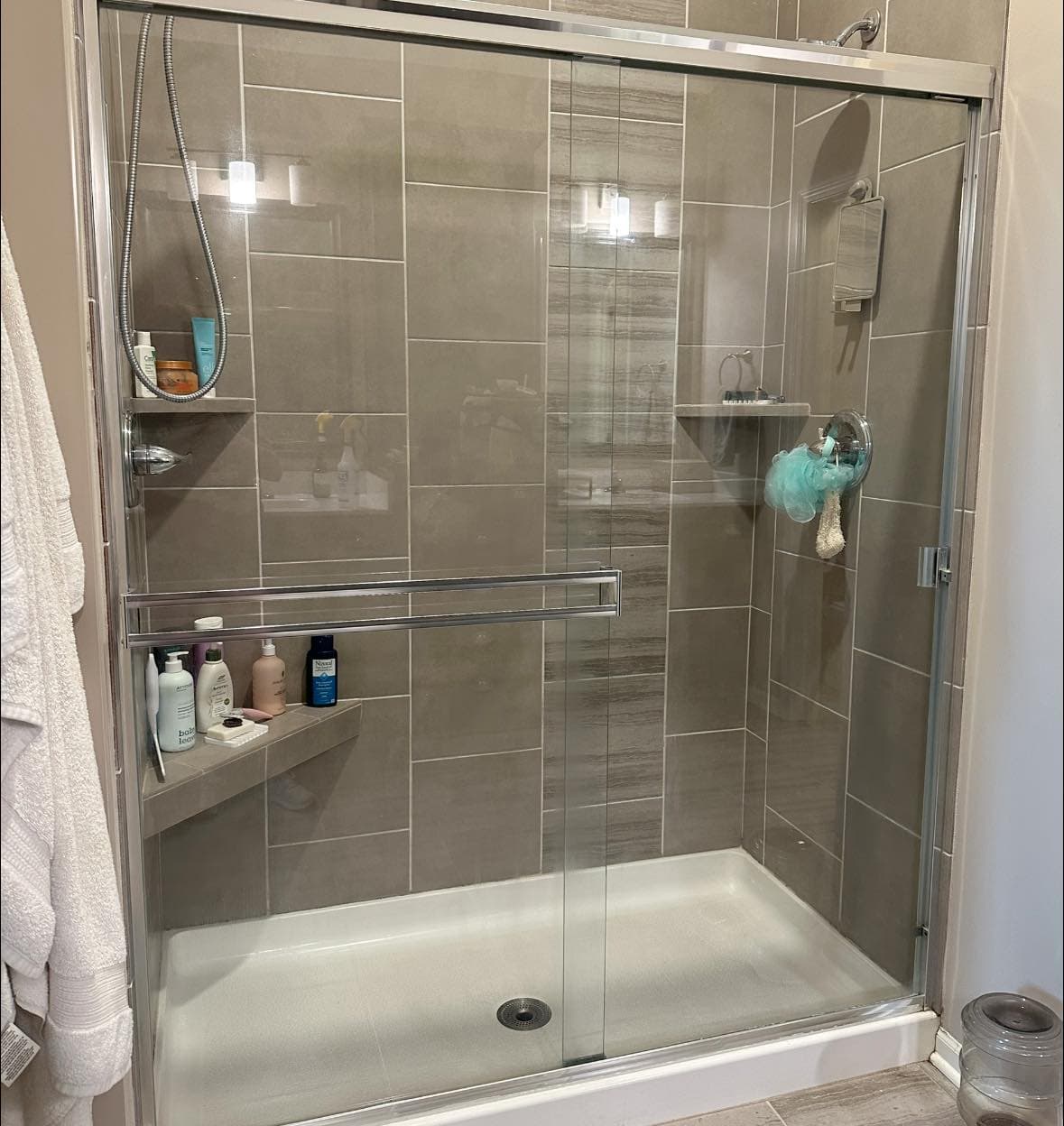
Surface mildew in a shower is different from suspected mold behind walls, under flooring, around drywall, or after a leak. A cleaner may be able to address normal bathroom mildew on tile or grout, but they can't diagnose what's happening inside the wall.
If moisture is active, the area smells musty, drywall is soft, flooring is buckled, or the spot keeps returning quickly after cleaning, the visible stain is probably not the whole problem. Cleaning the surface may make it look better temporarily while the source keeps spreading.
For bigger mold concerns, start with moisture control and remediation guidance instead of booking a normal home clean. Once the underlying issue is handled, a residential cleaner may be able to help reset the surrounding areas.
Biohazards, pests, and unsafe waste
Blood, sewage, animal waste beyond normal pet accidents, needles, heavy rodent droppings, bed bugs, active infestations, and strong decomposition odors usually need a specialized cleanup or pest professional.
The issue is exposure. A house cleaner is typically prepared for household mess, not unknown biological material or pest contamination. Those jobs may require protective equipment, disposal procedures, disinfection protocols, or licensed pest treatment.
A residential cleaner may be able to clean after the specialist finishes, but they shouldn't be the first call for hazardous material.
Hoarding-level rooms
A cluttered room is one thing. A room with blocked exits, spoiled food, pests, unsafe stacks, or pathways that can't be walked safely is a different scope.
Residential cleaning depends on safe access. If a cleaner can't enter the room, set down supplies, move through the space, or identify what's trash versus what's important, the first step isn't scrubbing. The first step is sorting, removal, safety planning, or specialized support.
In those cases, junk removal, specialized organizing, social support, or remediation may need to happen before a house cleaning team can work effectively.
Fragile, damaged, or specialty surfaces
Unsealed stone, damaged wood, peeling paint, failing grout, antique finishes, and unlabeled specialty materials need caution. The safest move is to mention them before service and share any manufacturer care instructions you have.
Some damage looks like dirt until someone tries to clean it. A scratched glass cooktop, etched stone, worn finish, or failing grout can react badly to pressure or the wrong product. That's why a careful cleaner may ask questions or skip a surface until care instructions are clear.
A good cleaning plan isn't just about what can be scrubbed. It's about what shouldn't be damaged.
- Tell the cleaner about new floors, refinished counters, antique furniture, specialty tile, or surfaces under warranty.
- Avoid asking a cleaner to remove stains that may actually be etching, corrosion, burn marks, or permanent damage.
- Save manufacturer care instructions when you have them, especially for stone, wood, stainless steel, and specialty appliances.
How to ask about a questionable cleaning job
The fastest way to get a useful answer is to send the uncomfortable details up front. That doesn't mean you need to be dramatic. It means you should describe what's present, how large the area is, whether there are odors, whether there was water or pest activity, and whether the space is safe to enter.
If the job is outside normal residential cleaning, a good cleaner can still point you in a better direction. If it's within scope, the details help them plan enough time and avoid surprises.
When in doubt, ask. A clear no before the appointment is kinder than an unsafe yes at the door.
Helpful Tidy KC links
Deep cleaning service details, Move-in and move-out cleaning, Service FAQs, Contact Tidy KC about a specific scope.
External resources
EPA guide to mold, moisture, and your home (EPA), OSHA mold cleanup and control overview (OSHA), CDC home cleaning and disinfecting guidance (CDC).